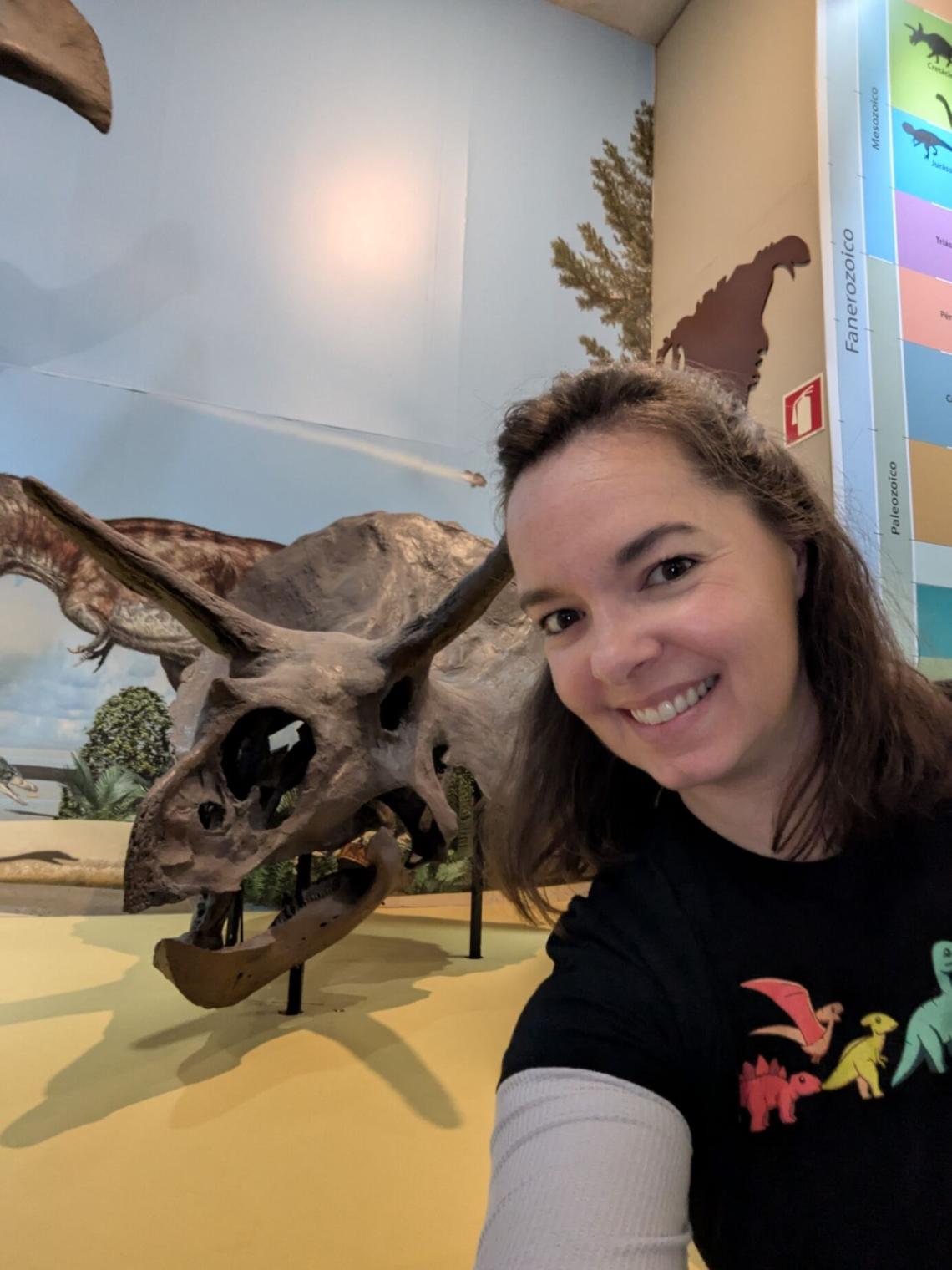
Former USAF/ANG aviator and Parallax/OAI UAV program manager Katie “Bug” Heilner translates operator realities into deployable autonomy—pushing AAM access, multi-UAS teaming, and better requirements so capability arrives when it counts.
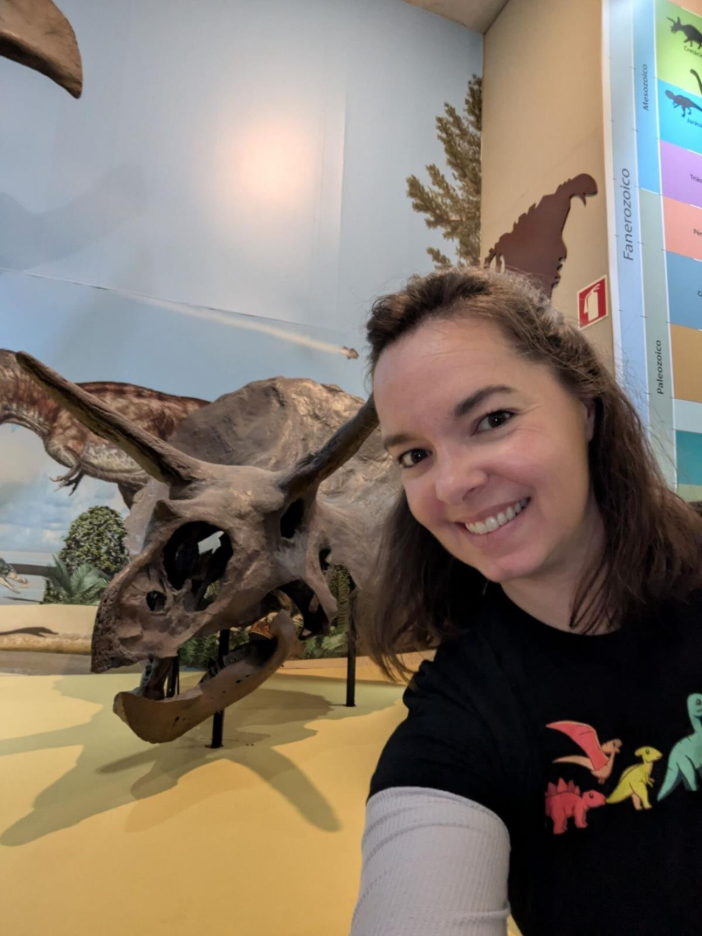
With more than 20 years working unmanned systems in the areas of operations, policy, and capability development through military service and industry experience, Katie “Bug” Heilner has observed how technology succeeds, or stalls, at the edge.
“Flying made me acutely aware of the gaps between acquisition and operations. Operators constantly find creative ways to apply tech, but we need requirements that translate those needs into deliverable capabilities.”
Having worked both government and industry roles, she’s direct about the lever that most determines speed and relevance: requirements.
“There are avenues for rapid acquisition, but the overall process needs to be reshaped so we deliver capability on timelines that matter to warfighters.”
Advanced Air Mobility (AAM)
Katie aligns with the FAA/NASA framing of AAM—safely and efficiently integrating highly automated aircraft into the National Airspace System (NAS).
What excites her most: access.
“AAM can make aviation more accessible—opening mobility options for communities and missions that haven’t had them.”
Where AAM helps defense: dual-use detection and deconfliction.
“As unmanned tech scales in the NAS, private-sector advances in detection and integration will spill over to national defense—especially for identifying unknown or hostile systems operating in our airspace.”
Reality check on integration: policy lags tech.
“Policy is still behind capability. Advocacy for unmanned access to the NAS must continue, even as defense and civil requirements take different paths.”
UAV / Analyst Work
In her current role, Katie is the connective tissue between customers and engineers.
“I’m a program manager and enabler—translating requirements, timelines, and resources so engineers can do what they do best.”
Trends she’s tracking:
Cooperation & teaming: multi-UAS operations and heterogeneous autonomy.
Automation: pushing more functions onboard and across multidomain solutions.
Beyond-the-horizon targeting: resilient sensing and handoffs.
Detection & survivability: seeing first, staying hidden longer.
“We’re moving past ‘unmanned first’ to ‘aviation first’—using UAVs to reduce risk to human life while increasing mission effectiveness.”
Parallax/OAI’s role: enable, don’t dictate.
“Government owns requirements. Our job is to help clients realize them—bringing subject-matter expertise to refine needs, de-risk integration, and deliver.”
Unique aviator insight: operational clarity.
“First-hand flight experience helps me challenge assumptions and describe real operational use—what it must do, not just what’s technically elegant.”
Innovation & Leadership
Katie is intentional about the “operator–engineer” handshake.
“We speak the same language but with different context. Start with the desired result—the intended application—and let technologists design the means.”
She also nudges the community to rethink legacy biases:
“HOTAS used to feel non-negotiable. Challenge the comfort zone, try new interaction modes, and you’ll see pilots rethink what’s ‘required’ to achieve the outcome.”
Translating complexity:
“Define the requirement. Responsible, well-thought-out requirements are how complex UAV/AAM technologies become actionable.”
Looking ahead:
“I’m focused on accelerating control of multiple, heterogeneous unmanned systems—practical, scalable teaming that delivers real effects.”
###
About Parallax Advanced Research & the Ohio Aerospace Institute
Parallax Advanced Research is a research institute that tackles global challenges through strategic partnerships with government, industry, and academia. It accelerates innovation, addresses critical global issues, and develops groundbreaking ideas with its partners. In 2023, Parallax and the Ohio Aerospace Institute, an aerospace research institute located in Cleveland, OH, formed a collaborative affiliation to drive innovation and technological advancements across Ohio and the nation. The Ohio Aerospace Institute plays a pivotal role in advancing aerospace through collaboration, education, and workforce development.